Companies, manufacturing and B2B
Websites for companies and manufacturers
A buyer or partner checks a company in thirty seconds: what you make, for whom, where from and who to call. A company website has to pass that check, then make the next step easy: an enquiry, a catalogue, a quote.
A company website rarely sells directly. It gets opened when someone has already heard of you: a purchasing officer comparing suppliers, a partner checking who they are talking to, a candidate looking at where they would work. In half a minute they all look for the same things: what you do, who you have done it for, how long you have been around, where you are and how to reach you. If that is above the fold, the rest of the page can be as long as it needs to be. If it is not, nobody reads the rest.
What a buyer looks for on a company site
- Products or services with technical data they can download: dimensions, materials, capacities, datasheets as PDFs
- Certificates and standards with their validity dates, not just logos
- References by industry, describing what was done, rather than a wall of logos with no context
- People and contacts by department: sales, purchasing, service, each with its own number and email
- The location with directions, including the truck entrance if you manufacture
- Open positions, because that is what a growing company looks like
A catalogue without a shop
Most manufacturing and B2B companies do not sell online, but buyers still want to browse the range. The answer is a structured catalogue: categories, filters by the properties that matter, a page per product with its datasheet and an enquiry button for that exact product. No cart and no payment, so none of the obligations a webshop carries. If customers ask for ordering with prices and payment, that is a different project, described on the online store page, and it can come later on the same foundation.
Languages for export
An exporting company needs a site in its buyers’ languages: English as the base, German and Italian depending on the market. Each language gets its own addresses, so Google indexes it separately and a buyer from Austria lands on the German page rather than a Croatian one with a translate button. The text is translated by someone who knows the trade, from your sales team or a translator we arrange, because machine-translated technical terms catch a buyer’s eye immediately. Each language comes with a contact who answers in it.
A redesign that keeps the existing addresses
A company with a ten-year-old site usually already ranks on Google for its name and a few trade terms. A redesign must not throw those away. So we first list the addresses that bring visits, keep them or redirect them to the new ones with permanent 301 redirects, carry over the content that works, and compare the Search Console numbers before and after launch. The aim is for the new site to keep the old one’s rankings instead of starting from zero.
Who writes the copy
You know the products, we know what the site has to say and in what order. In practice a two-hour conversation with someone from sales or engineering plus the existing catalogue or presentation is enough; from that we draft the copy, which you then correct. From you we need the logo as a vector file, photos of the plant and products, certificates as PDFs and the list of references we are allowed to name.
How a project runs
- A list of pages and languages, agreed at the first meeting or video call
- A quote within two working days, with a fixed price for that list
- Design on your real products and photos, not on samples
- Build on a test address, reviewed by each department before launch
- Launch, redirects from the old site and handover of access in the company’s name
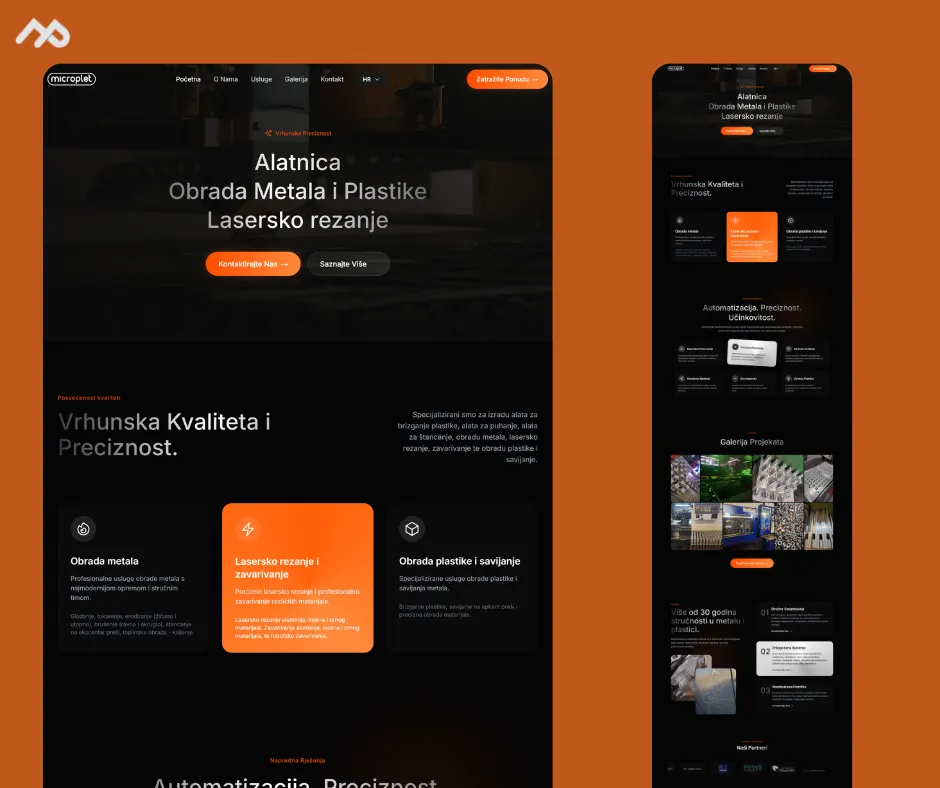
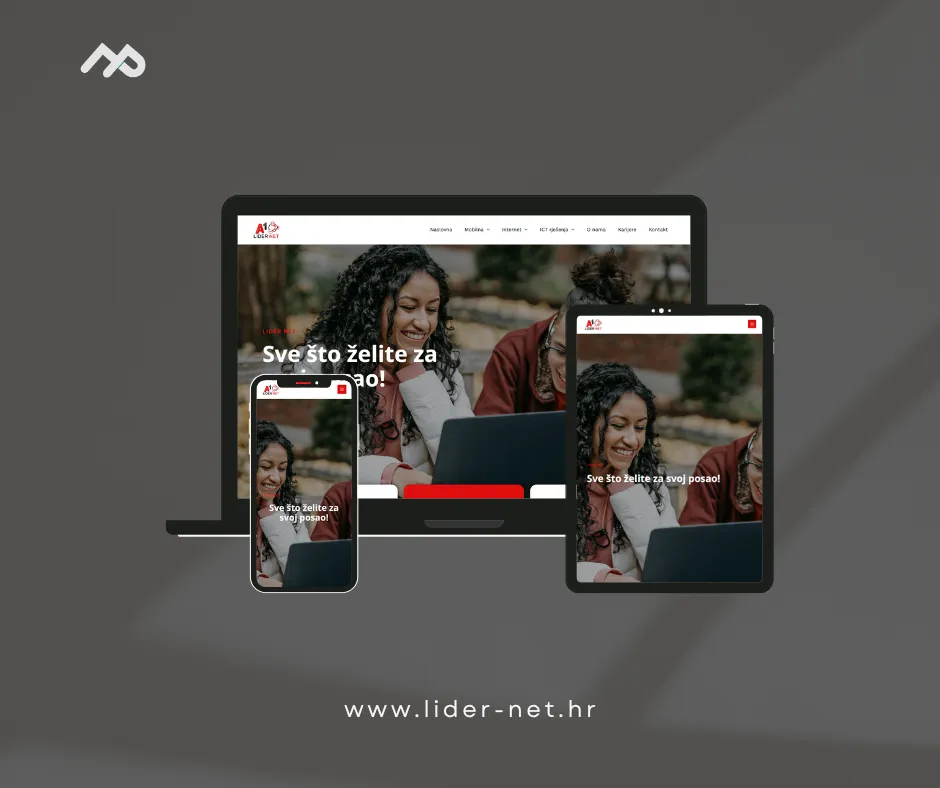
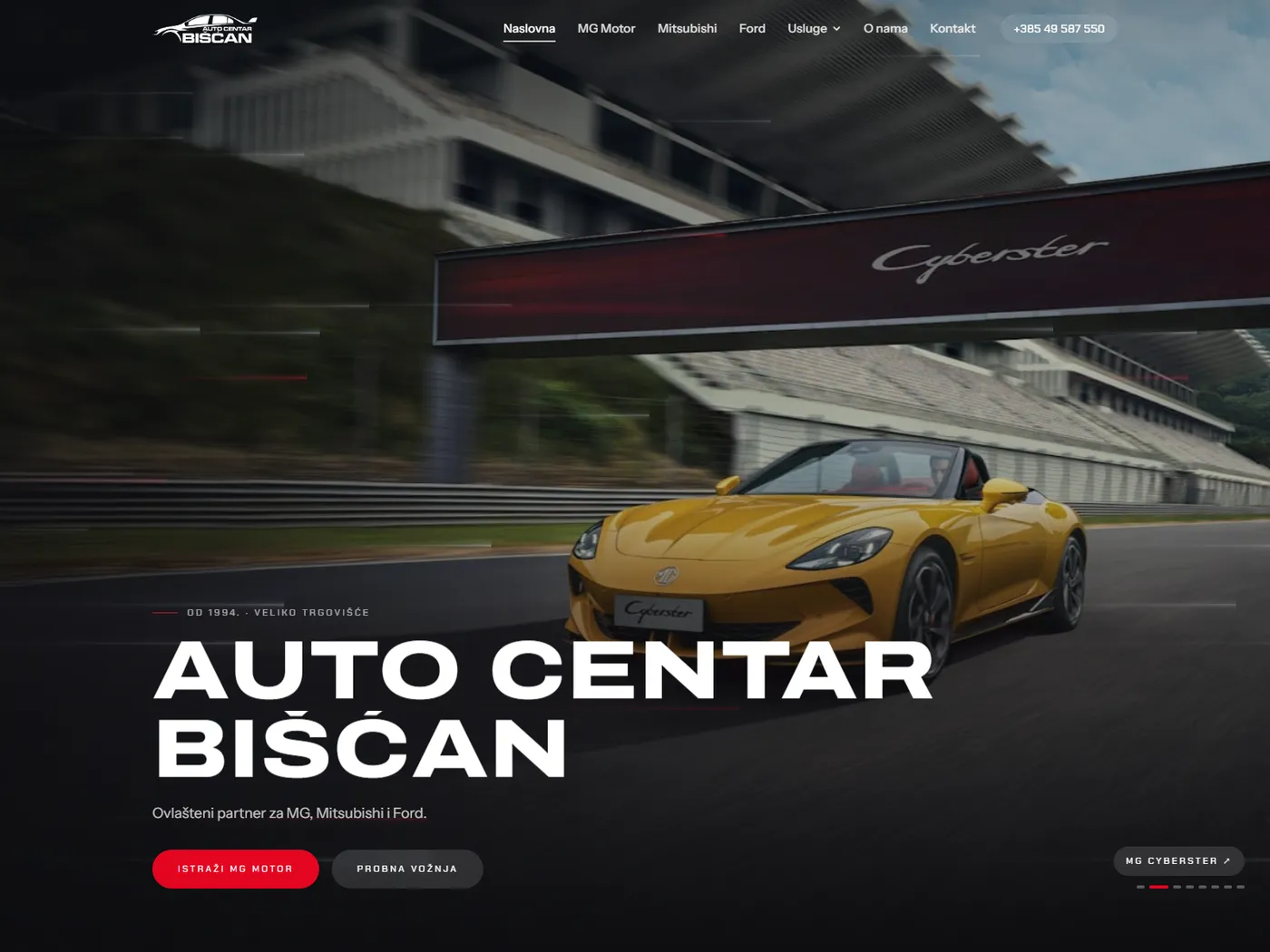
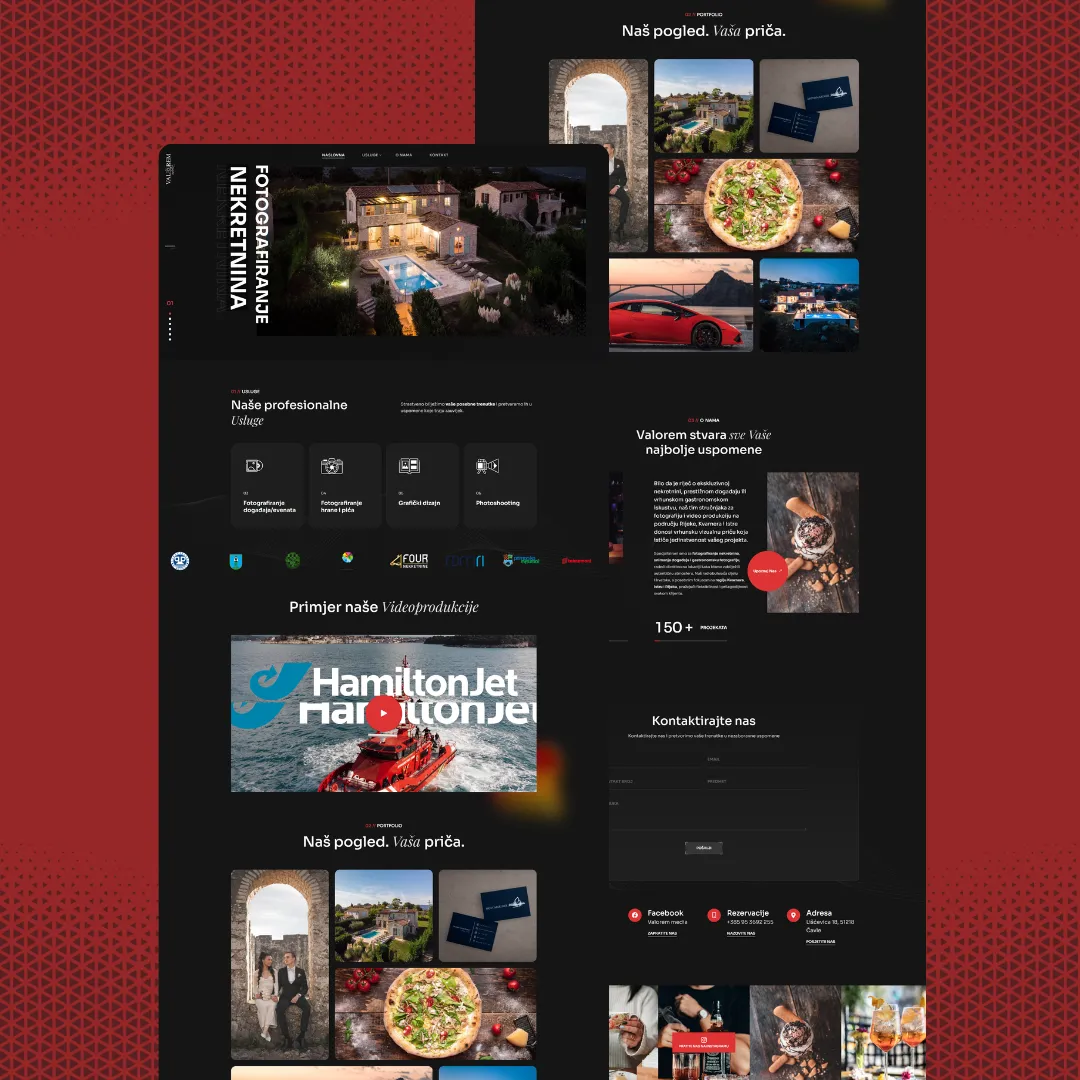
That order produced the sites for Microplet, a metal and plastic processing company; for Lider Net, a telecommunications company; for Auto Centar Bišćan, an authorised MG, Mitsubishi and Ford partner; and for Valorem Media, a photo and video production studio. All are in the portfolio, with links to the live sites.
FAQ
Frequently asked questions
If customers order by quotation and invoice, a catalogue with a per-product enquiry is enough and cheaper to maintain. A webshop makes sense when there is a fixed price per item and customers expect to order and pay on their own. A catalogue can later be upgraded into a shop on the same foundation.
As many as you have markets and people who answer in that language. Croatian and English are the base; German and Italian are added when you actually sell there. A language with nobody answering enquiries in it brings enquiries that go nowhere.
We do, from a conversation with you and your existing materials, and you correct the technical parts. Product data comes from you in a table or from the existing catalogue; we do not invent it.
Yes, and that is the default when the old site gets visits from Google. Addresses that rank are kept, and the ones we change are permanently redirected to the new ones, so no link from other sites ends in an error.
It can, if your system can export the data, usually as CSV, Excel or through an API. Before the quote we check what the system provides and how often the data changes; that decides whether the import runs by hand once a week or automatically.
Structure and design take one to two weeks, and the total depends mostly on the number of products and languages and on how fast copy and photos arrive. The deadline is stated in the quote for your list of pages; translations and datasheets are what most often extend it.